Published in 2026 • Boston Sleep & Wellness
What makes a mattress truly organic?
In a world of mattress marketing, the term organic is more than a label—it's a promise about materials, processing, and safety. An organic mattress typically emphasizes components that meet third-party certifications, limit chemical exposure, and support a durable, comfortable sleep surface. The heart of an organic mattress lies in core materials that are grown or processed with minimal synthetic additives, often accompanied by certifications that verify ethical sourcing and non-toxic finishes.
Certifications like GOTS (Global Organic Textile Standard) and GOLS (Global Organic Latex Standard) serve as trusted signposts for the consumer. GOTS focuses on textiles—fabric front covers, comfort layers, and ticking—ensuring organic fiber content, responsible dyeing, and safe finishing processes. GOLS extends the standard to natural latex foam, ensuring that latex used in the mattress is produced with stringent organic principles. When you see these stamps on product pages or labels, you gain confidence that the mattress meets specific, verifiable standards rather than vague marketing claims.
Key organic materials and their impact on comfort
- Natural latex: Derived from rubber tree sap, natural latex offers a responsive feel and excellent durability. It has inherent breathability, which helps regulate temperature, and can be formulated in various firmness levels. The organic variant reduces chemical exposure and is often paired with organic cotton or wool covers to create a breathable sleep surface.
- Organic cotton: Used in covers and some comfort layers, organic cotton provides softness, strength, and moisture-wicking performance. It typically sits close to the sleeper, so the fiber’s purity and weave influence the surface feel more than other layers.
- Wool or other natural fillings: Wool is celebrated for moisture regulation, temperature neutrality, and natural flame resistance. It can be used as a cover or in comfort layers to create a breathable, responsive surface that helps sleepers stay dry through the night.
How organic materials affect comfort, temperature, and durability
Organic materials are not a single signature texture; they form a blend that balances pressure relief, support, and climate control. Latex can provide supportive, zone-specific comfort; organic cotton offers a crisp, breathable cover; wool adds moisture-wicking warmth and temperature regulation. The interplay between these elements determines whether a mattress feels cool and buoyant, or soft and cushiony, and how well it maintains its shape over years of use.
For Boston-area shoppers, the local climate can influence mattress choices. In summer heat, a mattress with high breathability and moisture management helps maintain a comfortable sleep climate. In winter, temperature neutrality and warmth balance the environment. An organic mattress often pairs with breathable toppers and sheets to optimize the overall sleep experience.
Buying considerations and a practical 5-step decision process
- Define your sleep goals: Consider firmness preference, pressure relief, motion isolation, and temperature needs. Organo-materials like latex and wool can influence these factors differently than conventional foams or innersprings.
- Search certifications and materials: Look for explicit labeling such as GOTS, GOLS, OEKO-TEX, and other recognizes. Verify what exactly is certified (cover fabric, comfort layers, or entire core) and whether the finishes are free from harmful chemicals.
- Compare core materials: Assess foam density, latex composition (natural vs blended), and the arrangement of comfort layers. Each configuration affects support, contouring, and long-term durability.
- Evaluate cover fabrics and finishing details: Non-toxic finishes, the presence of barrier fabrics, and the breathability of the outer fabric affect night-time comfort and allergen exposure.
- Plan your budget and testing strategy: Organic mattresses may carry a premium. Plan for extended showroom testing, try sleeping on configurations, and consider local showroom policies for at-home trials, returns, and local shipping.
Local Boston considerations: how to test options in showrooms and what to ask retailers
When shopping in the Boston area, you should prioritize retailers who can discuss organic certifications with transparency. Ask about:
- Specific materials used in each layer and whether they are certified organic or natural
- The sourcing region and manufacturing process for the core materials
- Certification documentation or certificates that verify organic content
- Durability and expected lifespan of the mattress with organic components
- Care and maintenance for organic surfaces, including how to avoid damage from cleaning
Local showrooms offer the advantage of real-time testing and the chance to feel different material configurations side by side. Take time to lie on models representing your target firmness and contour. Invite questions from the retailer about non-toxic finishes or flame-retardant treatments that might be used, and request direct documentation whenever possible.
A curated product highlight: Downtown Company Luxury Cotton Mattress Pad
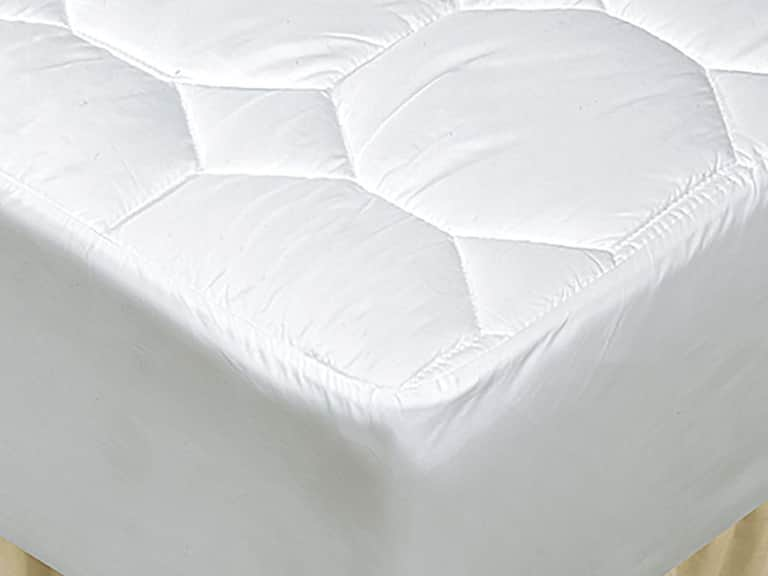
While not a mattress itself, accessories like high-quality mattress pads can complement an organic sleeping system by enhancing comfort, temperature regulation, and protectiveness. One standout example is the Downtown Company Luxury Cotton Mattress Pad. This pad features a plush 100% cotton fill and a cotton-blend honeycomb quilted cover, providing breathable comfort and understated elegance to the bed. It includes 18" deep pockets and a flexible jersey-knit skirt, ensuring a secure fit that stays in place night after night. Made in Austria and fully washable, it offers refined comfort, durability, and easy care—an ideal pairing with an organic mattress to optimize longevity and nightly comfort.
Downtown Company Luxury Cotton Mattress Pad
Price: 458.00 USD
A luxurious, breathable layer that protects and elevates your organic mattress setup with timeless elegance and practical care.
Profiles of influential figures shaping our understanding of sleep
Ancient Sleep Thinker: Hypnos and the Sleep Mythos
In antiquity, sleep was often personified and studied through myth and ritual. Hypnos, the god of sleep in Greek mythology, embodies the primal relationship between rest and the human psyche. While not a scientist in the modern sense, ancient depictions influenced early societies to honor sleep as a natural, essential reprieve from the waking world. Reading Hypnos in the context of modern sleep science reminds us that sleep has always been a subject of reverence and inquiry, a reminder that the body’s need for rest is organic, universal, and timeless.
Renaissance Scientist: Vesalius and the Body at Rest
Andreas Vesalius, the father of modern anatomy, advanced the empirical study of the human body during the Renaissance. His meticulous attention to anatomy laid groundwork for understanding how restorative sleep benefits from proper alignment and support. While Vesalius did not study sleep per se, his insistence on examining the body in detail echoes today’s insistence on understanding how mattresses, supports, and bedding interact with the spine, joints, and soft tissues during rest.
Modern Sleep Scientist: Dr. Matthew Walker
Dr. Matthew Walker, a renowned sleep scientist and author of Why We Sleep, has been instrumental in translating sleep neuroscience for the public. His work emphasizes circadian rhythms, the restorative processes of sleep, and how environmental factors influence sleep quality. In the context of organic mattresses and wellness, Walker’s insights push readers to consider how physical sleep environments, including organic materials and breathable surfaces, support healthy sleep patterns and daytime functioning.
Local Boston Sleep Expert: Dr. Aisha Malik (Sleep Medicine)
Dr. Aisha Malik, a Boston-area sleep physician, offers clinical insight into sleep health within the urban lifestyle. Her work emphasizes accessible sleep health education, sleep-disordered breathing screening, and the impact of sleep on cardiovascular and metabolic health. Featuring local experts helps readers connect practical mattress purchasing decisions with evidence-based medical guidance, especially for those managing sleep concerns.
Putting it all together: a Boston shopper’s organic mattress buying checklist
- Review certifications (GOTS, GOLS) and request documentation for materials and processes.
- Identify core materials and understand how latex, organic cotton, and wool contribute to comfort and climate control.
- Test firmness across different configurations and ensure adequate pressure relief without sacrificing support.
- Consider the full ecosystem: a breathable organic mattress combined with a natural-fiber sheet set and, if desired, a high-quality organic cotton mattress pad like the Downtown Company Luxury Cotton Mattress Pad.
- Ask about non-toxic finishes, durability, and the manufacturer’s warranty and return policy for organic products.
Final thoughts: The journey toward natural sleep comfort in Boston
An organic mattress represents more than a product; it’s a commitment to safer materials, environmental stewardship, and long-term well-being. The Boston-area market offers robust options for certified organic surfaces and supportive configurations that align with modern sleep science. By combining careful research, showroom testing, and a holistic approach to bedding, readers can craft a sleep environment that supports restful nights and energized days.