Bedding Guide
Wool Mattress Toppers: Temperature Balance, Feel, and Fit
A wool layer can bring gentle cushioning and a more comfortable-feeling sleep surface without the deep, body-hugging sensation some foam toppers create. The appeal is practical as well as tactile: wool can absorb and release moisture, while its springy fibers add a soft buffer between you and the mattress. The right choice depends on what you want to change—and whether the layer will fit your bed, your care routine, and your expectations.
What a wool topper can—and cannot—do
A mattress topper is a separate layer placed on top of a mattress to adjust its feel. Wool versions are typically made with wool batting enclosed in a fabric shell, often cotton. Depending on construction and thickness, they can add a little cushioning, soften a firm surface, or offer a different feel against the body. They are not a substitute for a supportive mattress, and a thin topper is unlikely to transform a mattress that is sagging or substantially uncomfortable.
Wool has a distinctive hand: softly resilient, rather than dense and slow-moving. It tends to compress under pressure and recover, creating a gentler surface without the pronounced contouring associated with many memory-foam designs. Some sleepers appreciate that a wool layer feels less enveloping and makes it easier to shift positions. Others may prefer the deeper pressure relief of a thicker foam topper. There is no universal winner; personal comfort, sleeping position, and the mattress underneath all matter.
It also helps to distinguish a topper from a mattress pad. The names are not always used consistently, but a pad is often a thinner, fitted or anchored layer intended to add modest softness and protect the mattress. A topper is generally chosen more specifically to alter comfort, and may be thicker or less tightly fitted. Read the product’s construction and dimensions rather than relying on its label alone.
Why wool is associated with temperature balance
Wool is often chosen by people looking for bedding that feels comfortable through changing seasons. Its fibers can take up moisture vapor and release it into the surrounding air, which may help the sleep surface feel less clammy when a sleeper sweats. That moisture management is different from active cooling: wool does not refrigerate the bed or guarantee that a hot sleeper will stay cool.
The overall experience depends on more than the fill. The shell fabric, batting density, sheet material, room temperature, pajamas, and the mattress itself all influence how warm or cool a bed feels. A thick wool layer under insulating bedding may feel cozy; a lighter construction paired with breathable cotton sheets may feel more moderate. Wool’s ability to manage moisture can be appealing, but it is not a promise of a specific temperature or a remedy for night sweats.
For Boston-area sleepers, where indoor conditions can shift from heated winter rooms to humid summer nights, adaptability may be part of the attraction. Still, the best approach is to consider the whole bedding setup. If you regularly wake overheated, first look at the room, comforter, sheets, and mattress materials. A topper may contribute to comfort, but it cannot compensate for every source of heat.
Wool compared with foam, latex, and down alternatives
Comparisons are most useful when they focus on feel and function rather than broad claims that one material is automatically better. Wool offers gentle, springy cushioning and moisture management. Foam is available in many densities and can provide closer contouring, though some sleepers dislike its enveloping feel or the way a particular foam retains warmth. Latex often feels buoyant and responsive, with a more lifted sensation than slow-response foam. Down-alternative fills can add soft loft, but their feel and resilience depend on the fiber, quilting, and amount of fill.
- Choose wool if: you want a natural-fiber layer with a soft, resilient feel and are comfortable following its care instructions.
- Consider foam if: you want more pronounced contouring or pressure relief, and the product’s feel and temperature characteristics suit you.
- Consider latex if: you prefer a springier, buoyant surface and are looking for a responsive layer.
- Consider a down-alternative pad if: your priority is plush loft and an easy-care option, while recognizing that its feel may differ from wool.
These are general tendencies, not guarantees. Two wool products can feel quite different because of their thickness, wool weight, quilting pattern, shell, and fit. If possible, compare construction details and return policies, and be realistic about what a layer can change on your current mattress.
Thickness, fill, and construction: details worth checking
Thickness is one of the first specifications shoppers notice, but it should not be considered in isolation. A topper’s loft can compress under body weight, and manufacturers may describe its height before or after quilting. The amount and distribution of wool, as well as the way it is held in place, affect the finished feel. A lightly filled pad may be best for subtle cushioning; a more substantial wool layer may feel plusher, though it can also add more warmth and bulk.
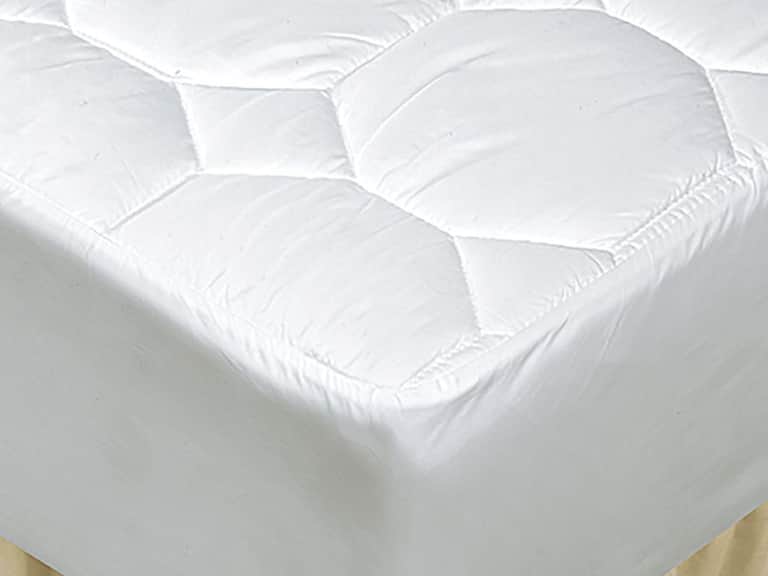
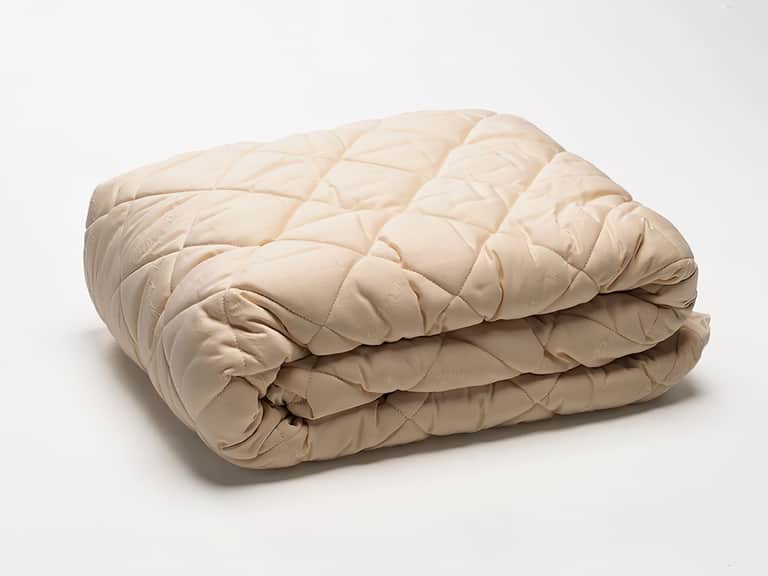
Look for a clear description of the fill and shell. Wool batting is sometimes quilted into channels or sections to reduce shifting. A stitched or quilted design may help keep the filling distributed, but it does not mean that every sleeper will experience the same firmness across the surface. Check whether the product uses elastic straps, a fitted skirt, corner anchors, or another method of attachment.
Materials and certifications deserve careful reading, too. Terms such as “natural,” “organic,” and “hypoallergenic” can refer to different product attributes and should not be treated as interchangeable. If certified organic fibers matter to you, check which component is certified and by whom. If you have a wool sensitivity, allergy, or respiratory concern, ask a qualified health professional whether a wool-filled product is appropriate for your circumstances. Product descriptions alone cannot establish that a material will suit every individual.
Fit is more than mattress size
A topper that slips, bunches, or strains at the corners can disrupt an otherwise comfortable bed. Begin with the mattress’s length and width, then measure its depth—including any existing pad or protector you intend to keep underneath or over the new layer. A fitted skirt’s pocket depth needs to accommodate the full stack. If the mattress is unusually deep, has a pillow top, or uses an adjustable base, verify the product’s fit details before ordering.
Consider how the topper will sit beneath your sheets. Adding a thick layer can make a fitted sheet too shallow, even when the topper itself fits the mattress. You may need deep-pocket sheets, and the combined layers should remain secure when the bed is adjusted. A topper’s attachment system also matters: an elasticized skirt can offer a close fit, while corner bands may be easier to handle but can move more readily for some bed setups.
Wool products may be designed to allow for shrinkage after laundering, but care directions vary. One fitted wool pad, for example, is described as having organic cotton on both sides, washable wool fill, and 18-inch pockets. The Suite Sleep Washable Wool Mattress Pad is presented as machine washable, with cold-water washing and low-heat tumble drying or line drying specified. It is a mattress pad rather than a promise of a thick, mattress-transforming topper, so compare its construction and intended feel with what you are seeking.
Care: the practical side of wool
Care instructions are not a minor footnote. Wool products can differ substantially: some are washable, while others call for professional cleaning or limited spot care. Follow the specific label rather than assuming that all wool bedding can go into a washing machine. Water temperature, detergent, agitation, and drying method can affect wool fibers, batting, and the cotton shell.
Before purchase, ask yourself how often you expect to clean the layer and whether you have room to dry it properly. A bulky topper may be difficult to wash at home even if the label allows machine washing. Using a washable mattress protector over the topper can help reduce the need for frequent laundering, though it adds another layer and may change the feel or temperature of the bed.
Wool can have a natural scent, especially when new, and individual sensitivity to that smell varies. Airing a product according to its care guidance may help. If odor is a concern, check the product description and return terms before removing tags or using the item. Never assume that a fragrance, coating, or chemical treatment is present—or absent—unless the manufacturer’s information confirms it.
Is wool a good match for your sleep style?
Side sleepers often pay close attention to cushioning at the shoulders and hips. A wool layer may soften the first impression of a firm mattress, but a thin pad may not provide enough depth to relieve pressure if the mattress itself is too hard. Back sleepers may value a surface that feels gently padded without excessive sink. Stomach sleepers commonly need to avoid too much softness that allows the hips to dip; a lofty topper may not suit that preference.
These are starting points, not rules. Body shape, weight, mattress firmness, and personal comfort all change how a layer feels. Couples may also notice differences in temperature preference and motion. A topper can modify the shared surface, but it will not necessarily solve disagreement about firmness or make two sides of a mattress feel identical.
If pain, numbness, or persistent sleep disruption is part of the picture, do not treat a bedding purchase as a diagnosis or medical solution. A more comfortable sleep surface may help some people feel better rested, but ongoing or severe symptoms warrant advice from a qualified healthcare professional.
A simple checklist before you buy
- Name the problem: Are you seeking a little softness, a different surface feel, moisture management, or mattress protection? One product may not do all of these equally well.
- Measure the bed: Confirm the mattress dimensions and depth, including any layers that will remain in place.
- Review the construction: Check fill, shell, quilting, thickness, attachment style, and whether the item is a topper or a thinner pad.
- Read care instructions: Verify whether it is washable, how it should be dried, and whether routine care fits your household.
- Check return terms: Comfort is personal. Understand the trial, return, and hygiene policies before purchasing.
- Consider the whole bed: Sheets, protectors, blankets, and room conditions can all affect the final result.
The bottom line on wool mattress toppers
Wool mattress toppers appeal to sleepers who want a natural-feeling layer with gentle cushioning rather than a deeply contouring surface. Their capacity to take up and release moisture may contribute to a more comfortable-feeling bed, but it is not the same as active cooling, and results depend on the complete sleep setup. Thickness, fill, quilting, shell fabric, and mattress fit matter just as much as the word “wool” on a label.
Before choosing one, decide whether you need a true comfort-changing topper or a lighter mattress pad, measure the bed carefully, and make sure the care requirements are manageable. A well-matched wool layer can be a thoughtful bedding choice—but the best one is the product whose feel, fit, and upkeep make sense for your everyday life.