 Mattresses
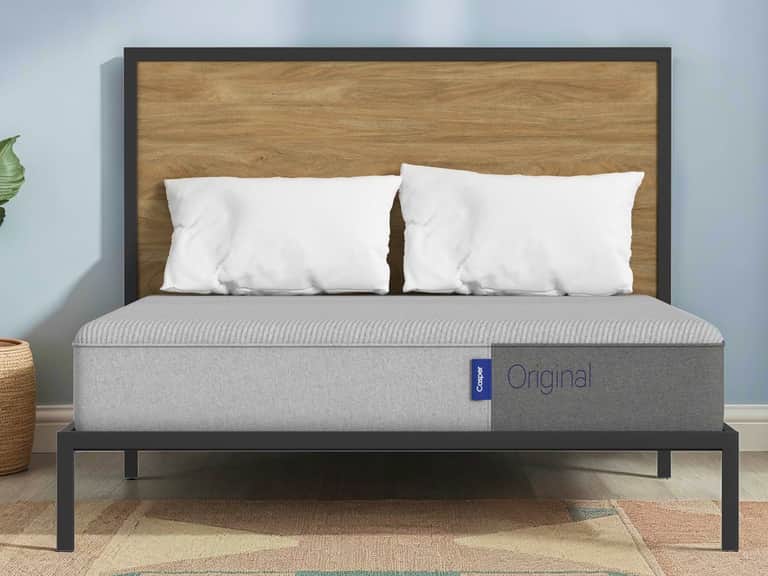
Original Mattress
Sleep cooler with breathable Casper foam, contouring comfort from memory foam, and targeted 3-zone support for better spinal alignment and balanced, responsive comfort all night.
Foam mattresses provide balanced support and contouring designed to improve pressure relief while maintaining user-friendly temperature regulation. In the foam mattress category, materials vary from traditional polyurethane to specialized memory foam, enabling tailored firmness levels and a smoother transition between sleeping surfaces. This section highlights how foam densities influence comfort and longevity for both adults and youths alike.
Original Mattress emphasizes a responsive foam layer structure that adapts to body weight and sleeping position, supporting spinal alignment and reducing motion transfer. Key features often include zoned support, breathable layers, and durable foams that resist sagging over time. Understanding these elements helps determine suitability for different sleep styles and nursery use.
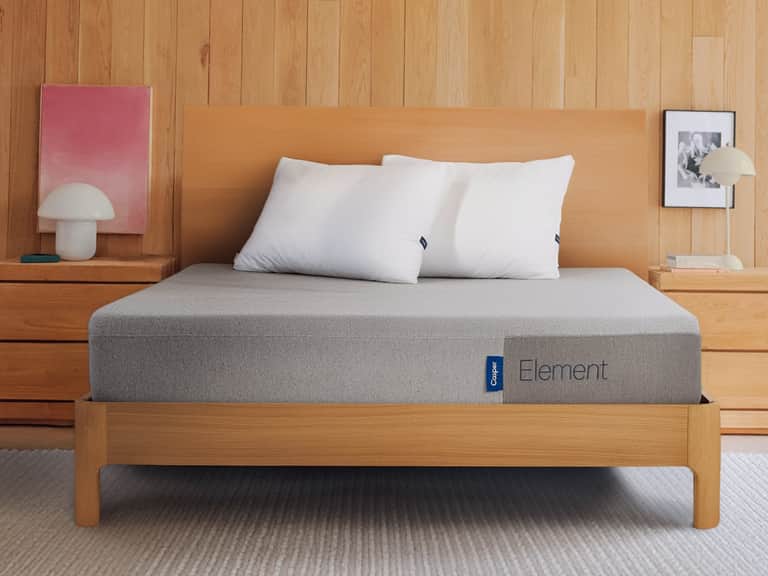
Element Mattress provides a distinct approach to foam construction, combining supportive cores with breathable covers and conforming foams. Functional benefits typically include pressure relief in critical zones, reduced overheating through airflow channels, and compatibility with various bed frames. This model is frequently considered for adult bedrooms and guest rooms requiring dependable comfort.
In evaluating foam mattresses, it is important to consider certifications, foam density, and layering order, as these factors influence durability and comfort under daily use. For nursery and family bedding needs, compatible options with low VOCs or organic components may be relevant, particularly when selecting for sensitive sleepers and crib environments.
Educational guidance for foam mattresses also covers maintenance practices, including rotation schedules and protective covers, which help preserve shape and hygiene. By comparing core features—support density, contouring, temperature management, and edge stability—consumers can identify products that align with preferred sleep positions and room acoustics within bedding, pillows, and organic mattress considerations.
Mattresses
 Mattresses